This site is intended for health care professionals in China.
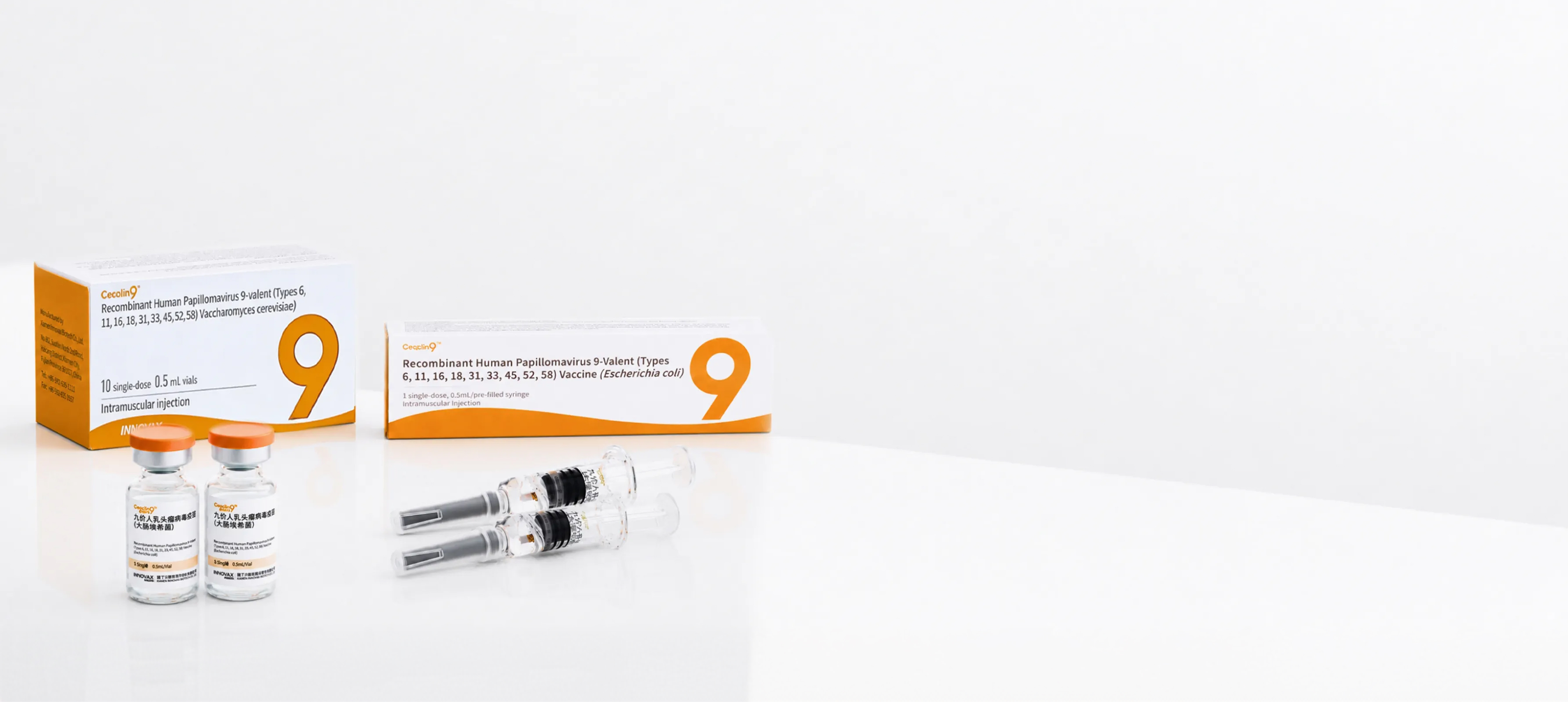
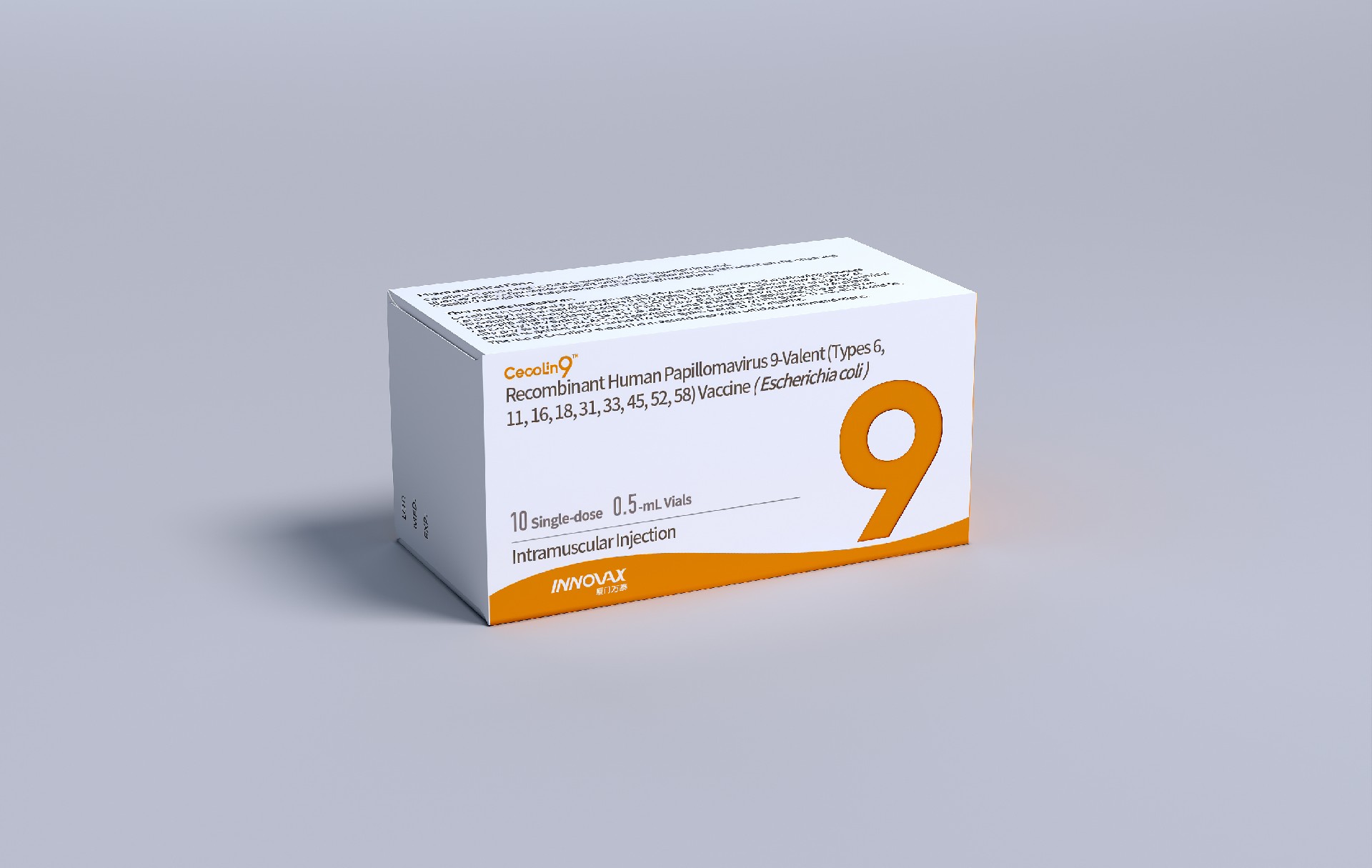
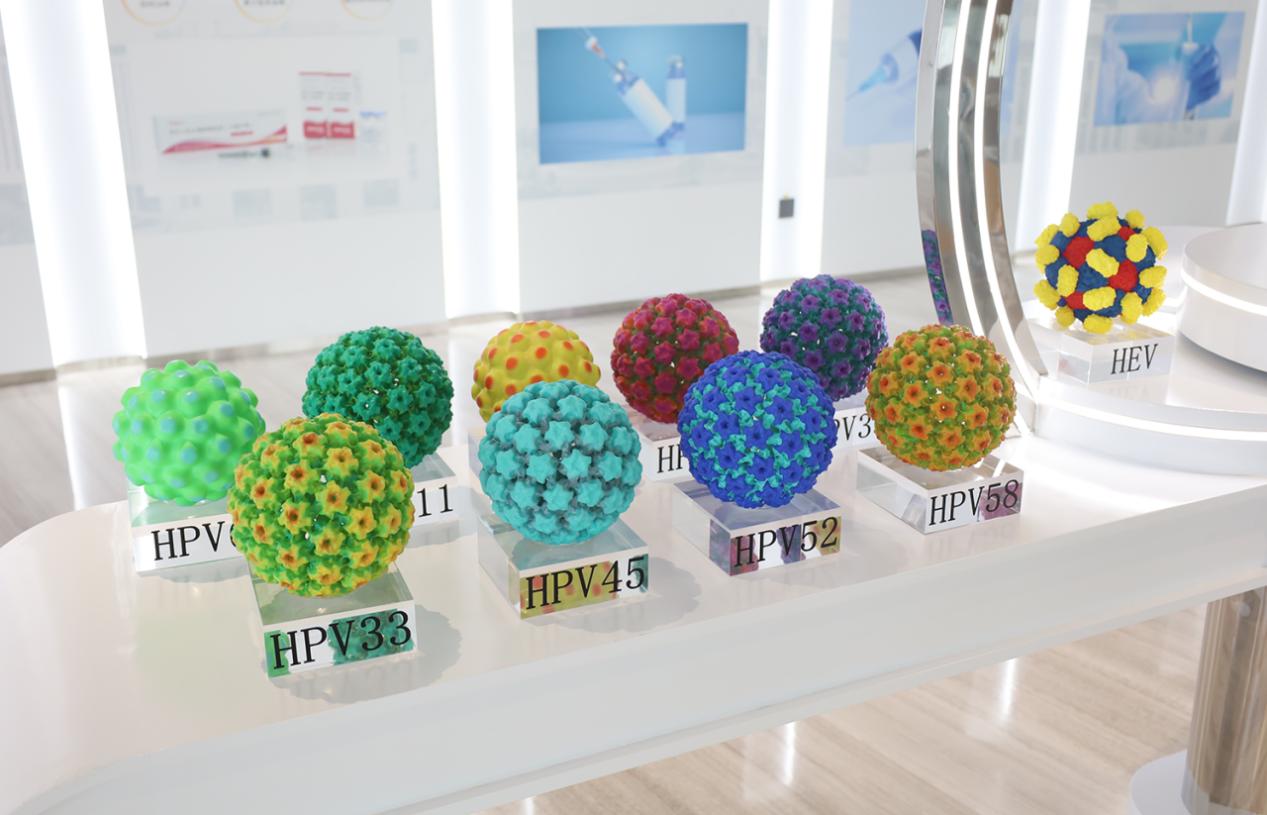
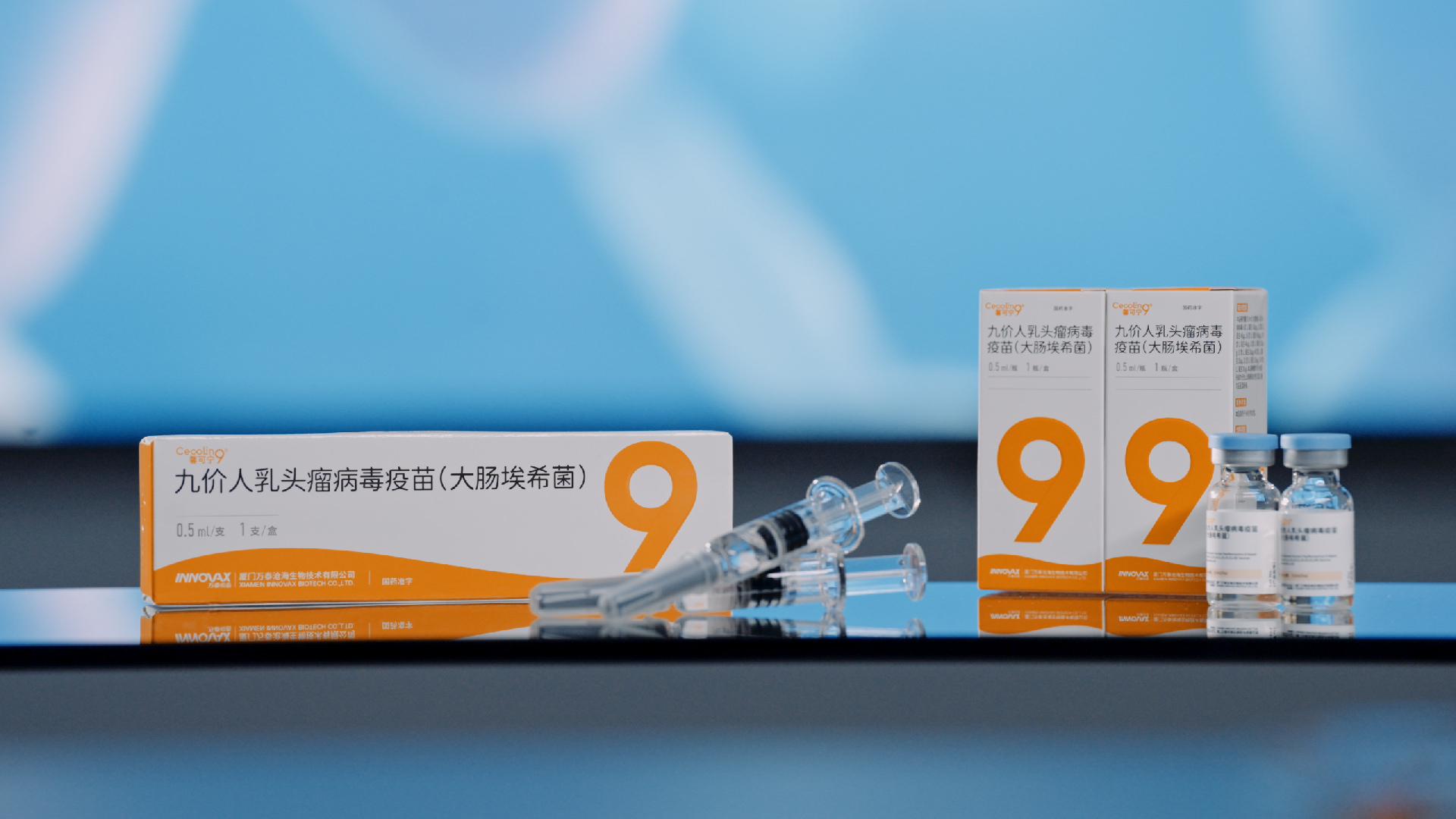
Cecolin 9 is a recombinant 9-valent HPV vaccine produced using an Escherichia coli expression system. It contains L1 virus-like particle (VLP) antigens for HPV types 6, 11, 16, 18, 31, 33, 45, 52 and 58.¹
Cecolin 9 is developed on an HPV L1 VLP technology platform. The same technology platform has been used for the development of Cecolin bivalent HPV vaccine, which has received World Health Organization prequalification.²
Cecolin 9 is indicated for females aged 9–45 years. According to the approved product information, Cecolin9 is indicated for the prevention of cervical cancer, cervical intraepithelial neoplasia grade 2 or 3 (CIN2/3), adenocarcinoma in situ (AIS), and cervical intraepithelial neoplasia grade 1 (CIN1) caused by HPV types 16 and 18.¹
In the Phase III HPV-PRO-009 study, Cecolin 9 demonstrated 98.2% vaccine efficacy against persistent infection lasting 12 months or longer associated with HPV types 6, 11, 31, 33, 45, 52 and 58.³
Evaluation of clinical disease endpoints is ongoing for high-grade genital lesions associated with HPV types 31, 33, 45, 52 and 58, and for genital warts associated with HPV types 6 and 11.¹˒³
Persistent infection with high-risk HPV types is the necessary cause of nearly all cervical cancers. HPV vaccination and routine cervical cancer screening remain complementary strategies for cervical cancer prevention.4,5,6
Human papillomavirus (HPV) refers to a group of more than 200 related viruses. HPV infection is one of the most common sexually transmitted infections worldwide. Most HPV infections clear on their own. Persistent infection with high-risk HPV types is the necessary cause of nearly all cervical cancers and is also associated with other anogenital and oropharyngeal cancers. Low-risk HPV types, including HPV6 and HPV11, are commonly associated with genital warts.4,5
HPV was estimated to cause approximately 620,000 cancer cases in women and 70,000 cancer cases in men worldwide in 2019. Cervical cancer represents the largest share of HPV-attributable cancers in women, underscoring the need for sustained prevention through vaccination and screening.4
HPV vaccination helps prevent infection with vaccine-covered HPV types and is most effective when given before HPV exposure. Routine cervical cancer screening remains important after vaccination because vaccination does not treat existing HPV infection and does not replace screening for cervical precancerous lesions.6
Important information from the approved product information. Please refer to the full package insert before vaccination.1
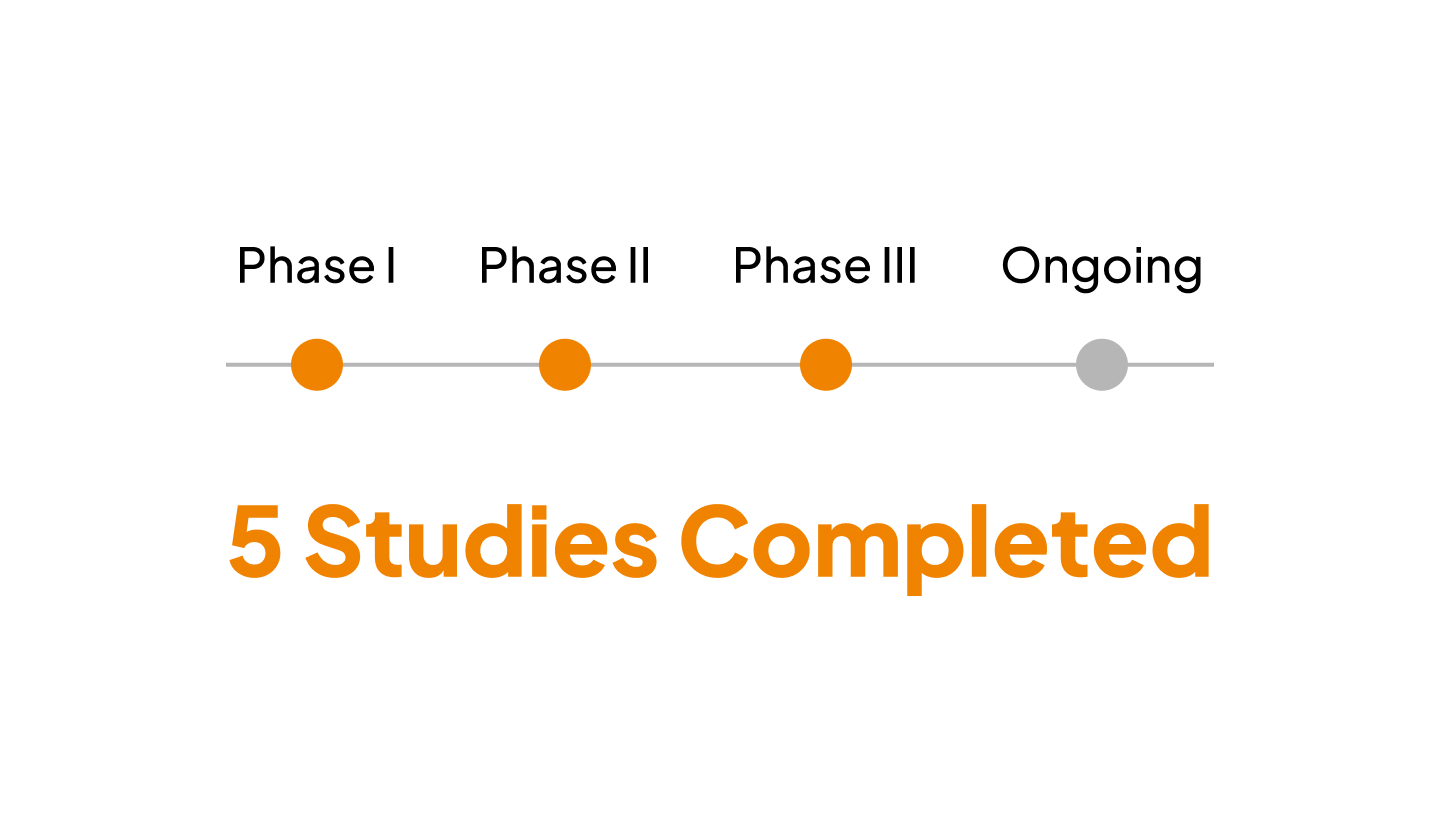
Clinical studies of Cecolin 9 evaluated safety, immunogenicity, and efficacy endpoints in females aged 9–45 years.
Key questions for the healthcare professionals.
Cecolin 9 is a recombinant 9-valent HPV vaccine. It contains L1 virus-like particle antigens for HPV types 6, 11, 16, 18, 31, 33, 45, 52, and 58. These include high-risk oncogenic HPV types and low-risk types associated with genital warts.1
Cecolin 9 is indicated for females aged 9–45 years. It is not recommended for populations other than those described in the approved target population.1
Cecolin 9 is indicated for the prevention of cervical cancer, CIN2/3, AIS, and CIN1 caused by HPV16 and HPV18, according to the approved product information. In the Phase 3 HPV-PRO-009 study, Cecolin9 demonstrated 98.2% (95% CI 89.8–100) vaccine efficacy against ≥ 12-month persistent infection associated with HPV types 6, 11, 31, 33, 45, 52 and 58. Evaluation of high-grade genital lesions associated with HPV31/33/45/52/58 and genital warts related to HPV6/11 is ongoing.1
Each 0.5 mL dose contains recombinant L1 antigens for HPV types 6, 11, 16, 18, 31, 33, 45, 52, and 58. Cecolin 9 also contains aluminum hydroxide adjuvant, sodium chloride, sodium dihydrogen phosphate dihydrate, disodium hydrogen phosphate dihydrate, polysorbate 80 (II), and water for injection. It contains no preservatives or antibiotics.1
Cecolin 9 is produced using recombinant DNA technology in Escherichia coli. The HPV L1 antigens self-assemble into virus-like particles. Cecolin 9 was developed using Innovax’s HPV VLP technology platform, which also underlies Cecolin, the WHO-prequalified bivalent HPV16/18 vaccine. The WHO prequalification status refers to the bivalent Cecolin product and should not be interpreted as the WHO prequalification of Cecolin 9 unless separately granted.1,2
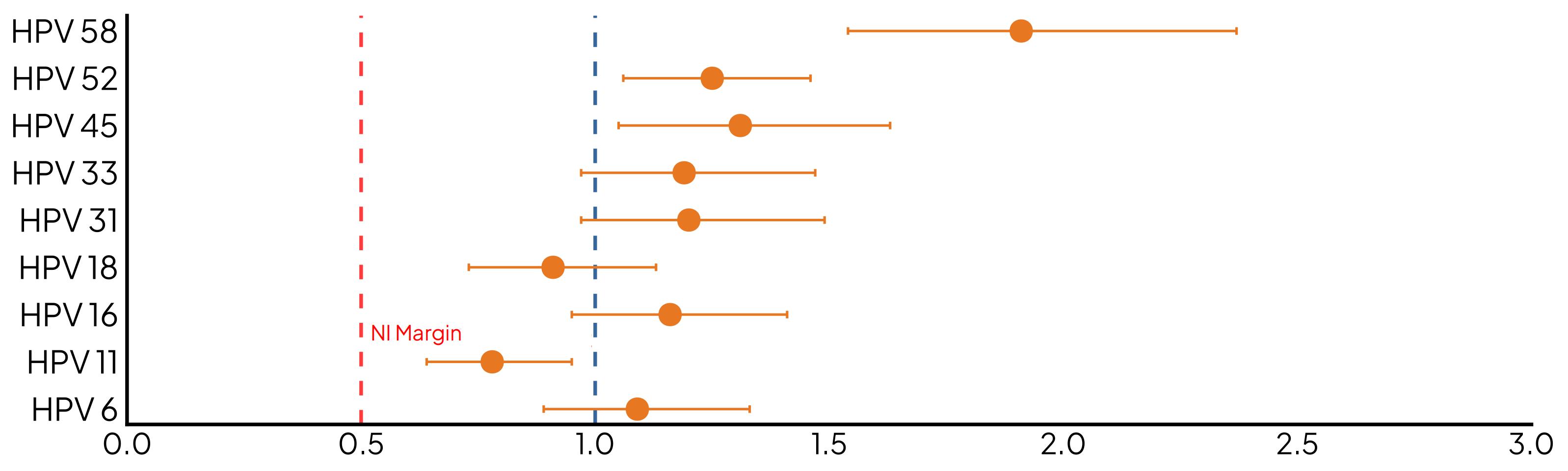
Cecolin 9 is supported by clinical studies evaluating safety, immunogenicity, and efficacy-related endpoints in females aged 9–45 years. In the Phase 3 HPV-PRO-009 study, Cecolin9 demonstrated 98.2% vaccine efficacy against ≥12-month persistent infection associated with HPV6/11/31/33/45/52/58 in the modified intention-to-treat population. Cecolin9 also demonstrated non-inferior HPV16/18 neutralizing antibody responses versus Cecolin bivalent HPV vaccine and non-inferior immune responses versus a licensed 9vHPV comparator in a head-to-head immunogenicity study.1,3
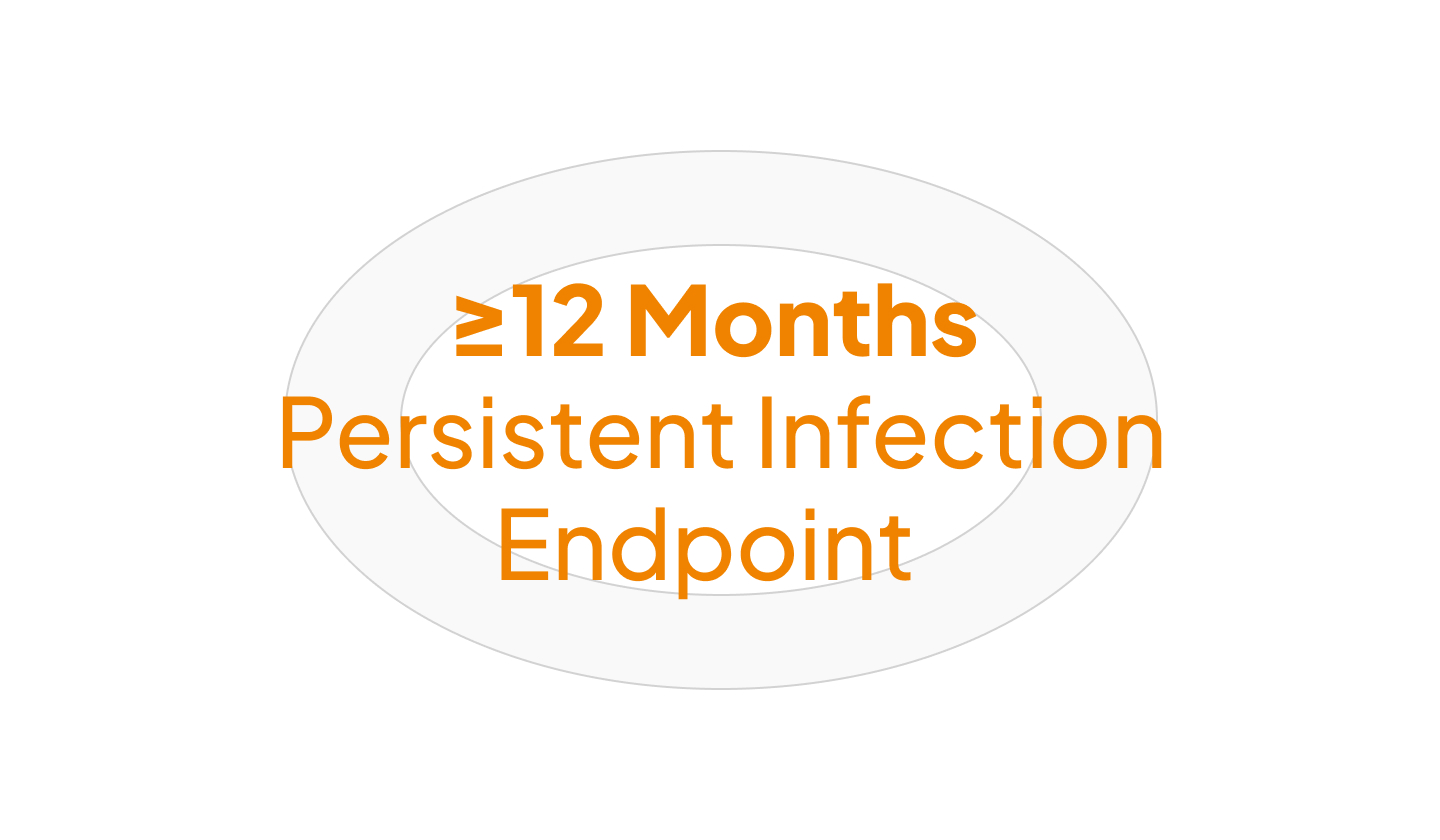
≥12-month persistent infection is a virological efficacy endpoint. In HPV-PRO-009, Cecolin9 demonstrated 98.2% efficacy against ≥12-month persistent infection associated with HPV6/11/31/33/45/52/58. This should be interpreted separately from clinical disease endpoints, including CIN2+, VIN2+, VaIN2+, and genital warts, which remain under follow-up and were not analysed in the published report.3
Immunogenicity endpoints, including seroconversion rates and geometric mean concentrations (GMCs), are commonly used in HPV vaccine development because clinical endpoints such as CIN2/3 and cervical cancer require long follow-up. Interpretation should consider the study design, population, comparator, assay method, analysis set, timepoint, and predefined non-inferiority margin.1,3
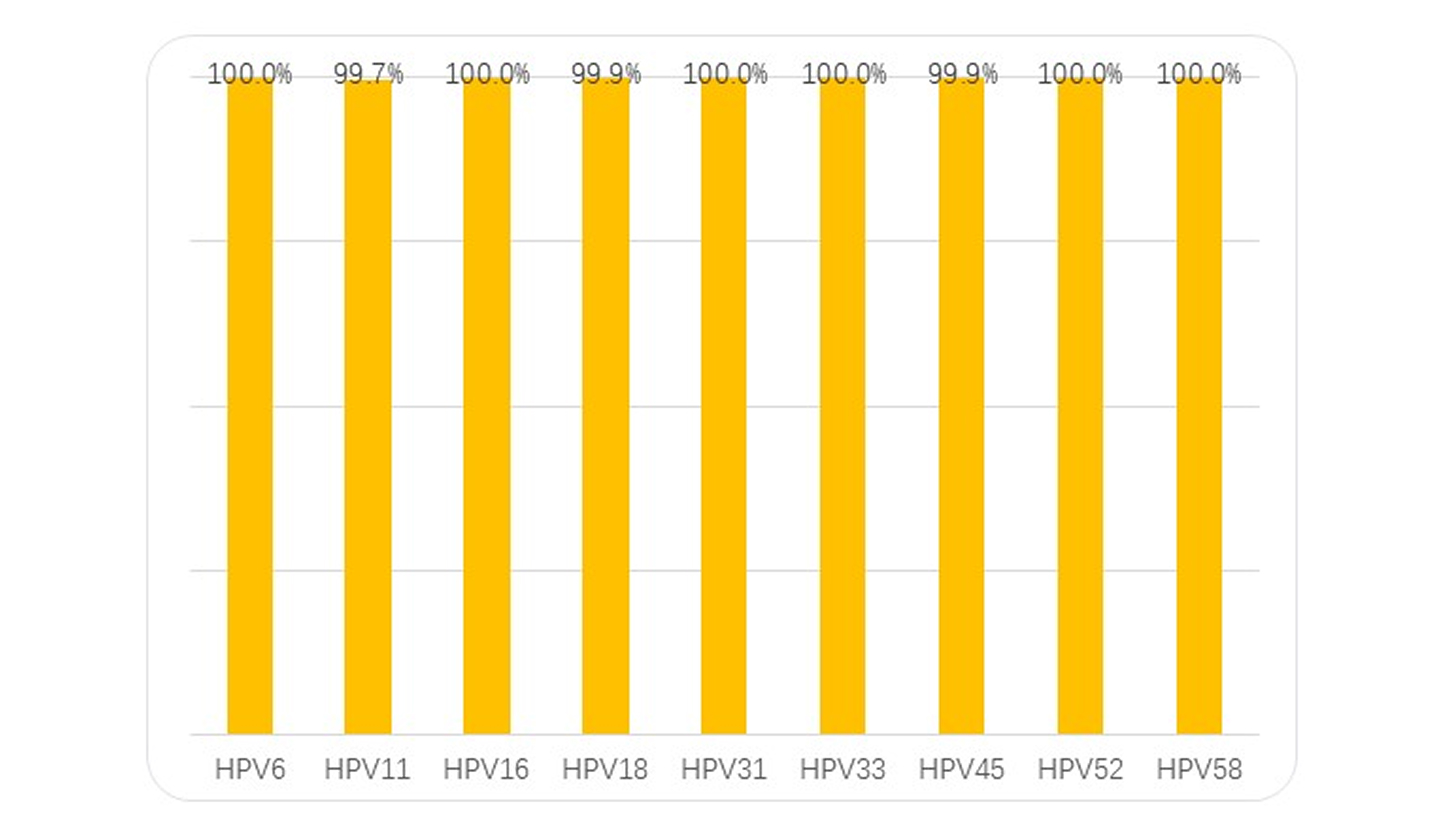
In HPV-PRO-011, a head-to-head comparative immunogenicity study in females aged 18–26 years, seroconversion rates and GMCs for neutralizing antibodies against all nine HPV types at Month 7 were non-inferior for Cecolin 9 compared with licensed 9vHPV comparator in the per-protocol set for immunogenicity.6
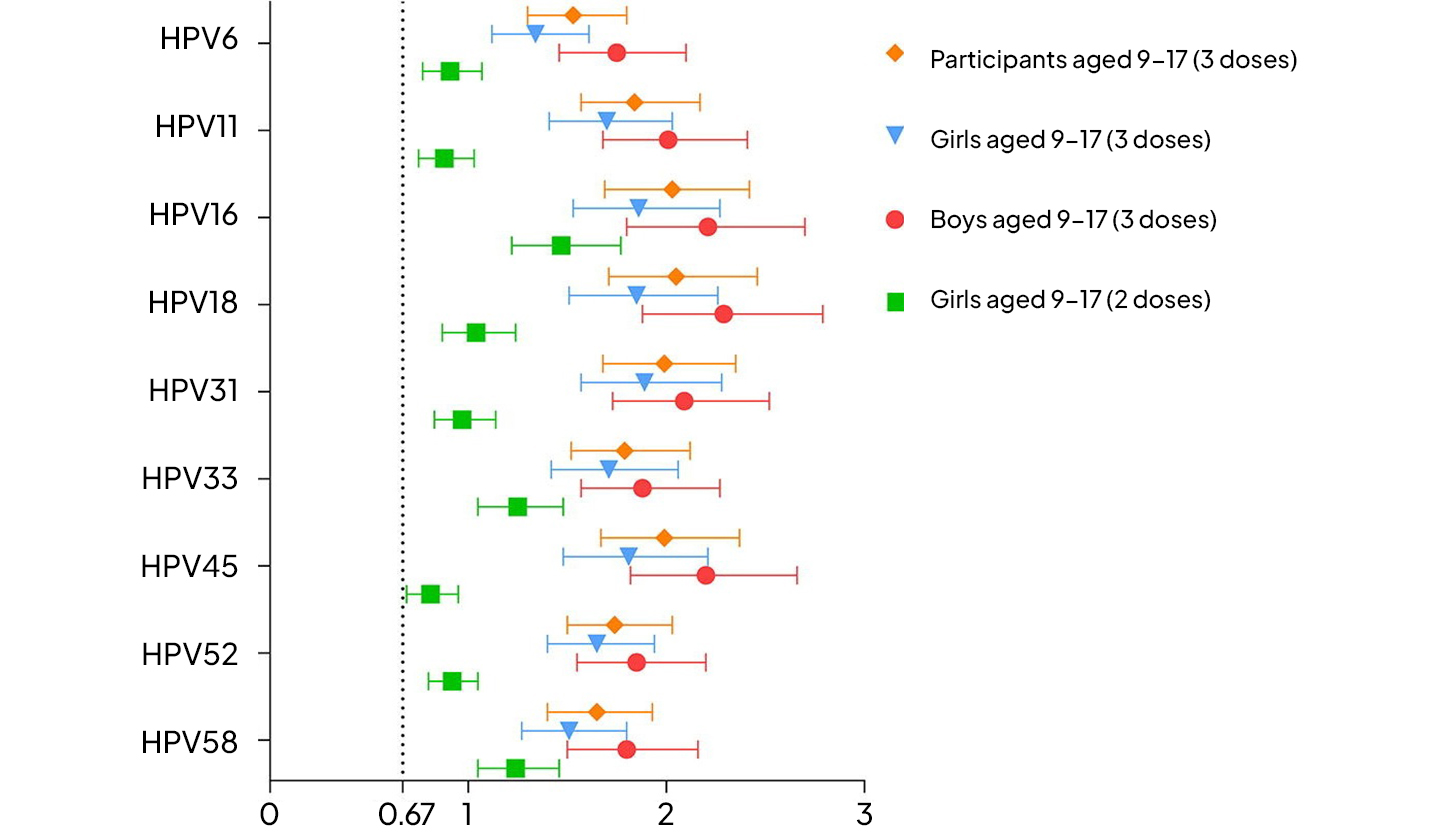
In HPV-PRO-012, immune responses in females aged 9–17 years receiving either a 2-dose or 3-dose schedule were non-inferior to those in females aged 18–26 years receiving a 3-dose schedule.8
Cecolin 9 is recommended as a 3-dose schedule of 0.5 mL at 0, 1, and 6 months in females aged 9–45 years. The second dose should be administered at least 1 month after the first dose, and the third dose should be administered at least 4 months after the second dose. All three doses should be completed within a 1-year period.1
Females aged 9–17 years may also receive a 2-dose schedule of 0.5 mL per dose at 0 and 6 months. The interval between the two doses should be at least 5 months.1
If a scheduled dose is delayed, the vaccination series generally does not need to be restarted. The next dose should be administered as soon as possible, while ensuring that the minimum intervals specified in the approved product information are met.
If the delay is substantial or the schedule cannot be completed within the recommended period, HCPs should use clinical judgment and follow the approved product information and local immunization guidance.1,9
At present, it has not been determined whether booster vaccination is required for Cecolin 9.1
Cecolin 9 should be administered by intramuscular injection. The preferred vaccination site is the deltoid muscle of the upper arm. Intravascular or intradermal injection is prohibited, and there are no clinical study data on subcutaneous injection of Cecolin 9.1
Cecolin 9 should be shaken well before use. After shaking, it appears as a white homogeneous suspension. A separate sterile syringe and needle must be used for each recipient. Cecolin 9 should be administered as soon as possible after removal from the refrigeration container. Do not use any vial with cracks, an unclear or invalid label, or abnormal vaccine appearance.1
Cecolin 9 is a prophylactic vaccine. It does not treat existing HPV infection, clear existing infection, treat existing HPV-related lesions, or prevent progression of established lesions. Vaccination may still provide protection against vaccine-covered HPV types to which the individual has not yet been exposed.1,8
Sexual activity does not necessarily imply exposure to all vaccine-covered HPV types. Vaccination may provide benefit by helping prevent future infection with HPV types not yet acquired. However, Cecolin 9 is prophylactic and does not treat existing infection or disease. The risk of HPV exposure increases with age, especially after sexual debut; therefore, vaccination is recommended as early as possible according to the approved product information and healthcare professional guidance.1,11
No. HPV vaccination does not replace routine cervical cancer screening or other measures to reduce the risk of HPV infection and sexually transmitted infections. Routine cervical cancer screening remains important after vaccination.1
At present, there are no clinical data supporting interchangeable use between Cecolin 9 and other HPV vaccines. Decisions about completing or supplementing an HPV vaccination course should follow the approved product information, local recommendations, and individual clinical judgment.1
Cecolin is a bivalent HPV vaccine targeting HPV types 16 and 18. Cecolin 9 is a 9-valent HPV vaccine covering HPV types 6, 11, 16, 18, 31, 33, 45, 52, and 58. Individuals previously vaccinated with Cecolin may be considered for Cecolin 9 based on clinical judgment, prior vaccination status, local recommendations, and the approved product information. The incremental value should be assessed case by case.1
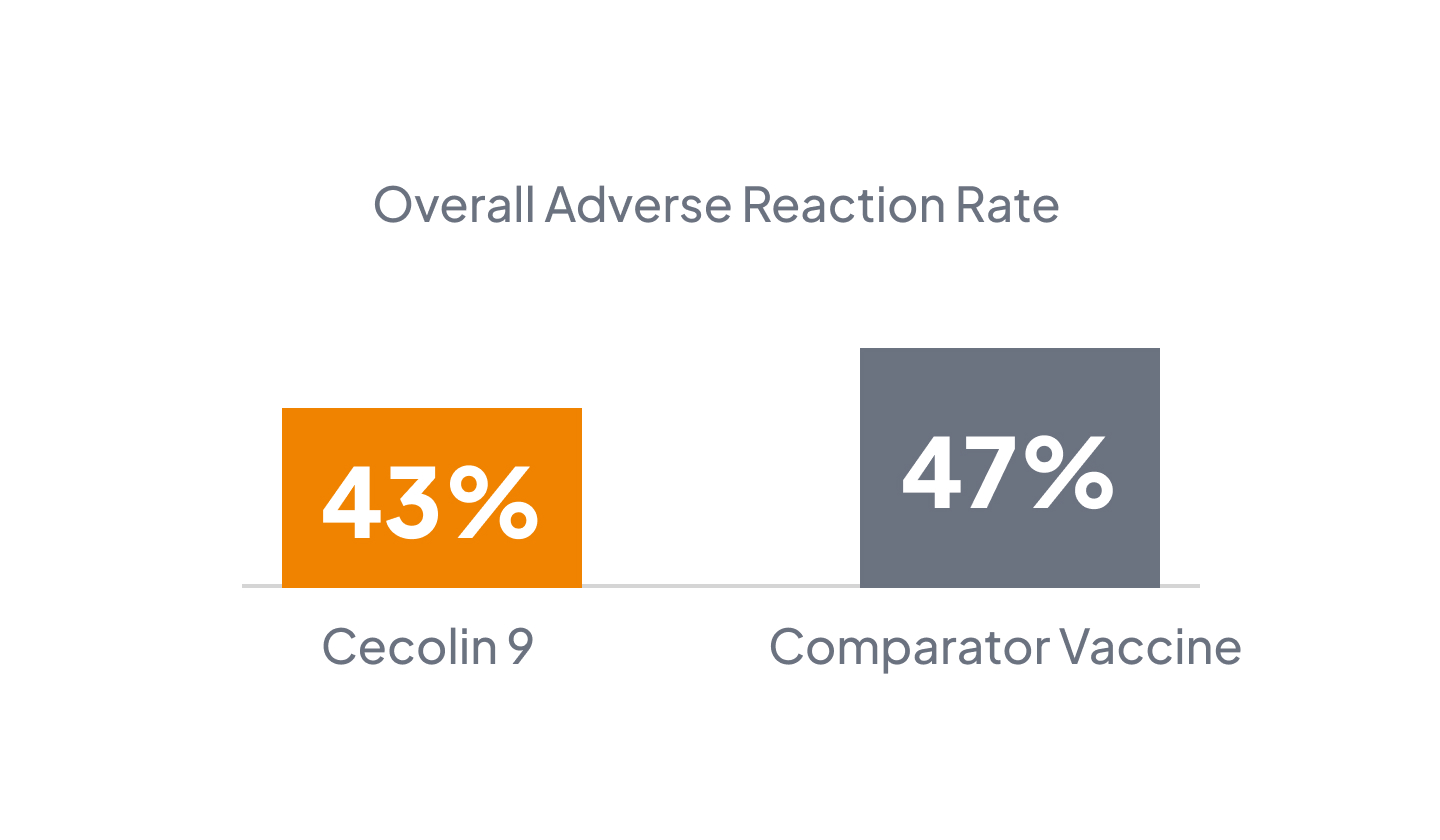
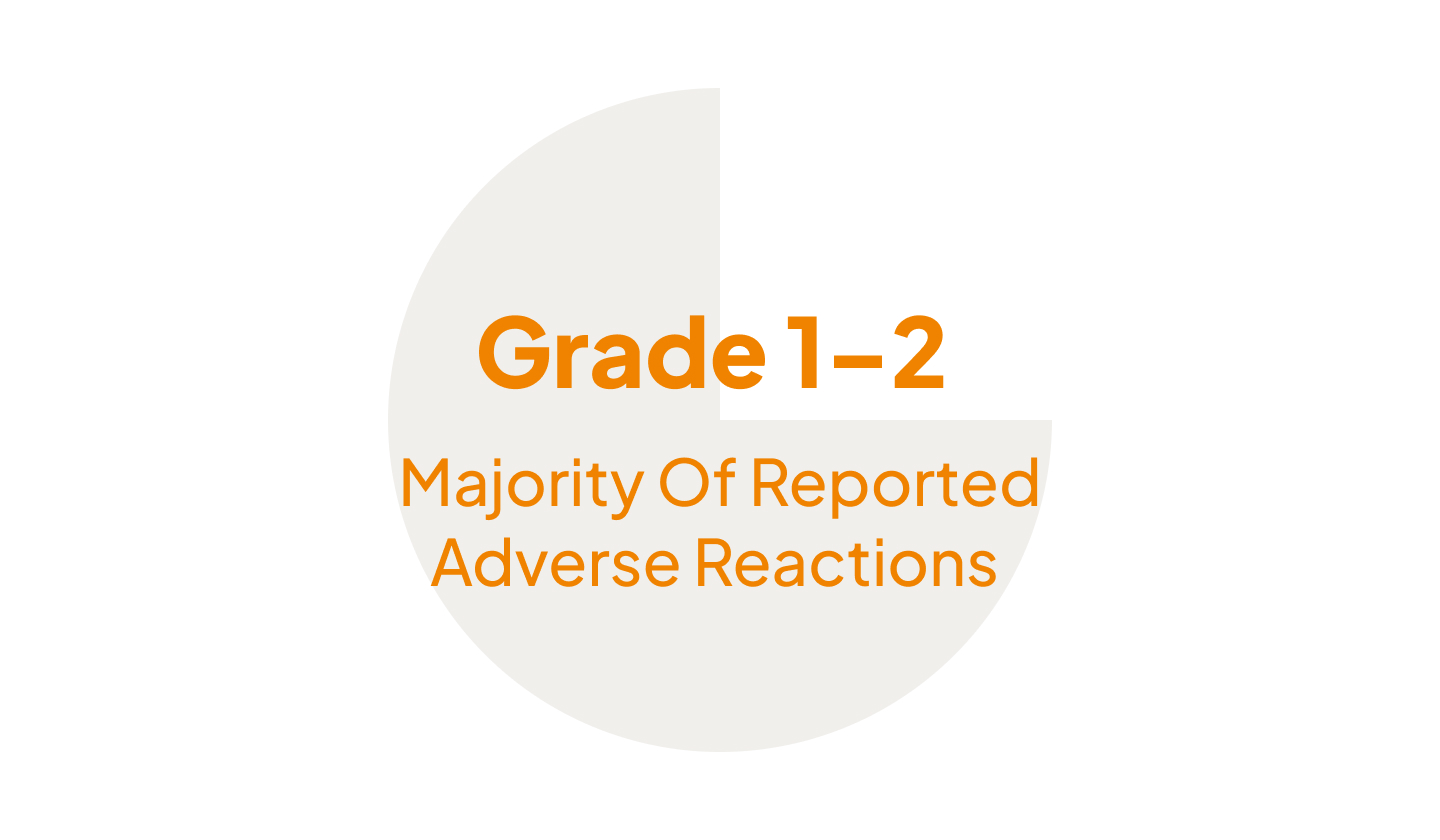
In clinical trials, Cecolin9 was generally well tolerated. In the Phase 3 HPV-PRO-009 study, adverse reactions were reported in 52.1% of Cecolin9 recipients and 42.2% of control recipients. Injection-site pain was the most common local reaction, and fever was the most frequent systemic reaction. Most adverse reactions were mild; Grade ≥3 adverse reactions were reported in 0.6% vs 0.4%.3
In the Phase 3 HPV-PRO-009 study, serious adverse events occurred at similar rates in the Cecolin9 and control groups, 11.0% vs 10.3%, respectively. None of the serious adverse events were considered related to vaccination.3
Cecolin 9 is contraindicated in individuals with hypersensitivity to the active substances or any excipient of the vaccine, and in individuals who develop symptoms indicative of hypersensitivity after a previous dose of Cecolin 9.1
Before vaccination, healthcare providers should review the vaccinee’s medical history, especially previous vaccination history and any previous vaccination-related adverse reactions, and conduct a clinical assessment to evaluate the benefits and risks of vaccination. Appropriate medical treatment and monitoring should be available in case of allergic reactions after injection.1
Syncope may occur after vaccination, especially in adolescents and young adults, and may lead to falls or injury. On-site observation for at least 30 minutes after each injection is recommended.1
Vaccination should be postponed in individuals with acute severe febrile illness. Low-grade fever or mild upper respiratory tract infection is not an absolute contraindication; clinical judgment should be used.1
Cecolin 9 should be used with caution in vaccinees with thrombocytopenia or any coagulation disorder, consistent with precautions for intramuscular injection.1
There are no data on the use of Cecolin 9 in individuals with impaired immune systems, such as patients receiving immunosuppressive agents. As with other vaccines, vaccination in immunocompromised individuals may not induce an adequate immune response.1
Vaccination with Cecolin 9 during pregnancy should be avoided. If a woman is pregnant or becomes pregnant during the vaccination schedule, vaccination should be postponed or interrupted, and the remaining dose(s) may be completed after pregnancy. There are no clinical trial data on the use of Cecolin 9 in lactating women, and Cecolin 9 should be used with caution during lactation.1
Available evidence for HPV vaccines does not indicate a causal association between HPV vaccination and infertility. For Cecolin 9 specifically, animal studies showed no direct or indirect adverse effects on reproduction, pregnancy, embryo/fetal development, parturition, or postnatal development. Cecolin 9 should still be avoided during pregnancy as a precaution.1,12
No clinical trial has been conducted in China on administration of Cecolin 9 together with other vaccines; therefore, relevant clinical data are not currently available. Co-administration decisions should follow the approved product information and local clinical guidance.
WHO guidance for HPV vaccines generally supports co-administration with other age-appropriate vaccines when needed, provided vaccines are administered using separate syringes and at different injection sites. However, for Cecolin 9, co-administration decisions should follow the approved product information and local clinical or immunization guidance.1,11
Use of immunoglobulin or blood products should be avoided within 3 months before vaccination with Cecolin 9.1
There is no clinical evidence available to demonstrate whether use of hormonal contraceptives affects the preventive effect of Cecolin 9.1
As with other vaccines, concomitant use of Cecolin 9 with immunosuppressive agents may not induce an optimal active immune response in immunocompromised individuals.1
Cecolin 9 is indicated for females aged 9–45 years. It is not currently indicated for males in the approved product information. Clinical studies in males are ongoing.1
The maximum protective period of Cecolin 9 has not been fully established. In the Phase III clinical trial, protective efficacy against persistent infection was followed up to Month 30 after the first dose, with a median follow-up time of 32.0 months.1
2023 | Chu K et al. | The Lancet Regional Health – Western Pacific
2023 | Hu Y-M et al. | Science Bulletin
2026 | Pan H-X et al. | The Lancet Infectious Diseases
2023 | Zhu F-C et al. | The Lancet Infectious Diseases
2025 | Zhong G-H et al. | The Lancet Regional Health – Western Pacific
2026 | Jing Y-L et al. | Science Bulletin
Cecolin 9 is contraindicated in individuals with hypersensitivity to the active substances or any excipient of the vaccine, and in individuals who develop symptoms indicative of hypersensitivity after a previous dose of Cecolin 9.
HPV vaccination does not replace routine cervical cancer screening or other measures to reduce the risk of HPV infection and sexually transmitted infections. Routine cervical cancer screening remains important after vaccination.
Before vaccination, healthcare providers should review the vaccinee’s medical history, especially previous vaccination history and any previous vaccination-related adverse reactions, and conduct a clinical assessment to evaluate the benefits and risks of vaccination. Cecolin 9 is not recommended for populations other than those described in the approved target population.¹
As with other injectable vaccines, appropriate medical treatment and monitoring should be available in case of allergic reactions after vaccination.¹
Syncope may occur after vaccination, especially in adolescents and young adults. On-site observation for at least 30 minutes after each injection is recommended.¹
Vaccination should be postponed in individuals with acute severe febrile illness. Low-grade fever or mild upper respiratory tract infection is not an absolute contraindication.¹
Cecolin 9 should be used with caution in individuals with thrombocytopenia or any coagulation disorder.¹
As with any vaccine, Cecolin 9 may not protect all vaccinees. Cecolin 9 is for preventive use only and is not indicated for treatment of existing HPV-related lesions or for preventing progression of existing lesions.¹
Cecolin 9 has not been shown to prevent lesions caused by non-vaccine HPV types or diseases not caused by HPV infection.¹
There are no data on the use of Cecolin 9 in individuals with impaired immune systems. As with other vaccines, vaccination in immunocompromised individuals may not induce an adequate immune response.¹
The maximum duration of protection has not been fully established.
In clinical trials of Cecolin 9, vaccination-site pain was very common. Common adverse reactions included vaccination-site pruritus, nodules, swelling, erythema, and discomfort, as well as systemic reactions such as fever, headache, asthenia, cough, nausea, myalgia, and dizziness. Most adverse reactions were mild to moderate and resolved spontaneously within a short period of time.¹
Vaccination with Cecolin 9 during pregnancy should be avoided. If a woman is pregnant or becomes pregnant during the vaccination schedule, vaccination should be postponed or interrupted, and the remaining dose(s) may be completed after pregnancy.¹
There are no clinical trial data on the use of Cecolin 9 in lactating women. Cecolin 9 should be used with caution in lactating women.
Please refer to the approved prescribing information for complete safety information.