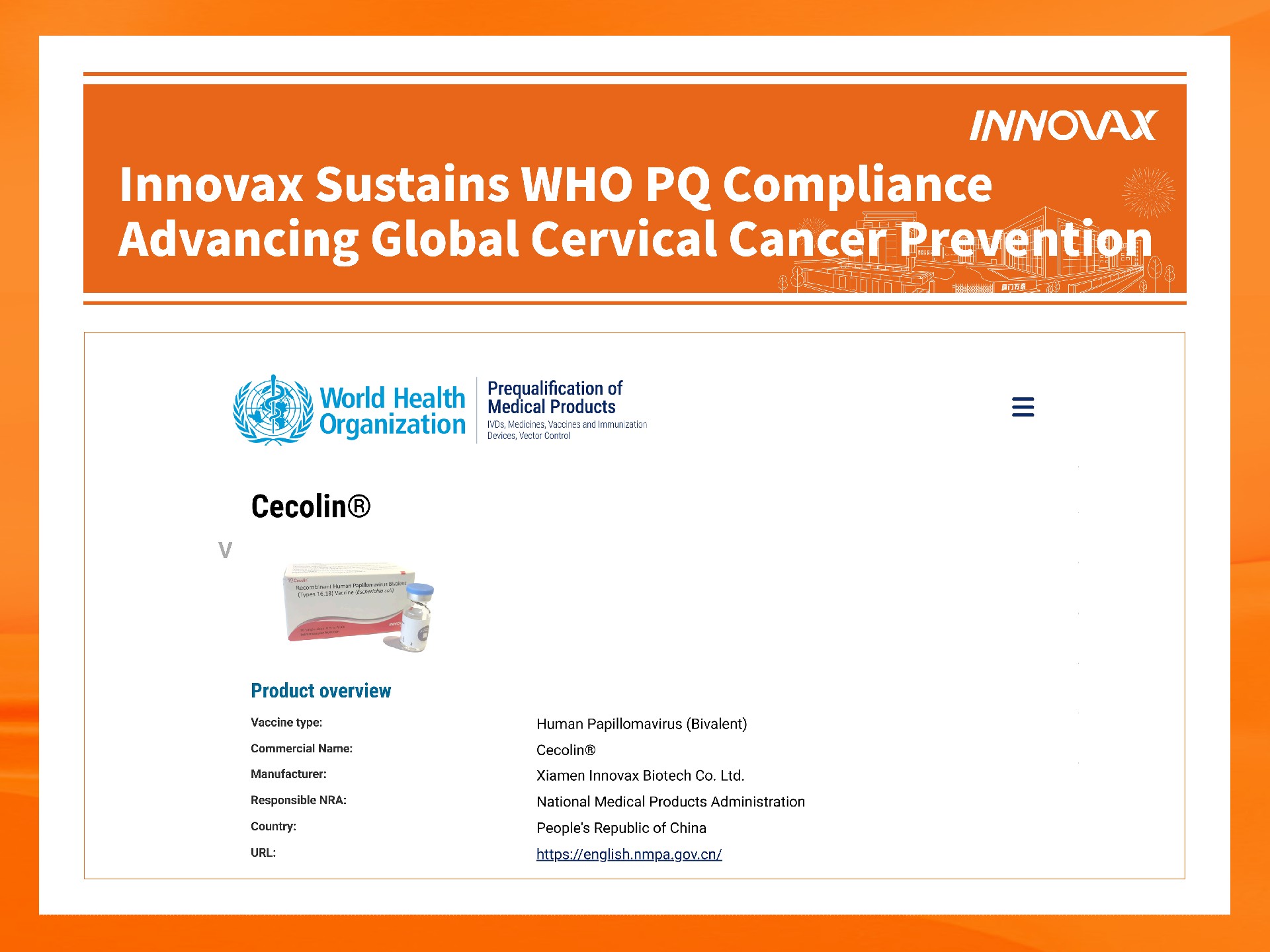
Human Papillomavirus (HPV) is one of the most common sexually transmitted infections worldwide and a major cause of cervical cancer and other HPV-related cancers. HPV is linked to cancers of the cervix, vulva, vagina, penis, anus, and oropharynx 1.
HPV infections are common, with most people naturally clearing the virus within 1–2 years2. However, persistent infection with high-risk HPV types is the primary cause of cervical cancer and other HPV-related cancers2.
According to global cancer data, HPV causes approximately 620,000 cancer cases in women and 70,000 cancer cases in men each year worldwide1. Cervical cancer alone accounts for around 660,000 new cases and around 350,000 deaths annually, making it one of the leading causes of cancer-related mortality among women globally 3.
Despite this burden, cervical cancer is largely preventable through HPV vaccination, cervical screening, and timely treatment of precancerous lesions4, making prevention strategies essential for global public health.
Human Papillomavirus (HPV) refers to a group of more than 200 related viruses that infect the skin and mucous membranes4. Many HPV types are transmitted through sexual contact, and nearly every sexually active individual will encounter HPV at some point in their lives4.
Most HPV infections are asymptomatic and transient, with the immune system clearing the virus naturally within one to two years4. However, a persistent infection with certain high-risk HPV types, particularly HPV-16 and HPV-18, can cause abnormal cell changes that may progress to cancer over time4.
HPV infections are often asymptomatic, meaning most individuals are unaware they are infected2.
Certain low-risk HPV types can cause genital warts, which can appear on the vagina, penis, anus, and rarely in the throat, while high-risk types are associated with the development of cancers, including:
Persistent infection with high-risk HPV types, particularly HPV-16 and HPV-18, is responsible for the majority of cervical cancer cases worldwide2.
Regular cervical screening can detect precancerous lesions before they progress to cervical cancer, allowing timely treatment. In people with a normal immune system, progression from persistent HPV infection to cervical cancer usually takes 15–20 years2,4.

Symptoms of Cervical Cancer
Symptoms may include:
These symptoms may also be caused by other conditions, so individuals experiencing these signs should consult a healthcare professional.
HPV infection represents a major global public health burden, particularly in low- and middle-income countries where access to vaccination and screening programs is limited 4.
The World Health Organization has launched a global strategy to eliminate cervical cancer as a public health problem6. This initiative is guided by the 90-70-90 targets, which aim to achieve:
Achieving these targets could significantly reduce the global burden of cervical cancer and improve health outcomes for millions of women worldwide6.
El virus del papiloma humano (VPH/HPV) hace referencia a un grupo de más de 200 virus relacionados que infectan la piel y las membranas mucosas. Muchos tipos de VPH se transmiten por contacto sexual, y casi todas las personas sexualmente activas estarán expuestas al VPH en algún momento de su vida.
La mayoría de las infecciones por VPH son asintomáticas y transitorias, y el sistema inmunitario elimina el virus de forma natural en uno o dos años. Sin embargo, una infección persistente por ciertos tipos de VPH de alto riesgo, en particular VPH-16 y VPH-18, puede causar cambios celulares anormales que con el tiempo pueden progresar a cáncer.
Las infecciones por VPH suelen ser asintomáticas, lo que significa que la mayoría de las personas no saben que están infectadas.
Ciertos tipos de VPH de bajo riesgo pueden causar verrugas genitales, que pueden aparecer en la vagina, el pene, el ano y, rara vez, en la garganta; mientras que los tipos de alto riesgo se asocian con el desarrollo de cánceres, incluidos
La infección persistente por tipos de VPH de alto riesgo, en particular VPH-16 y VPH-18, es responsable de la mayoría de los casos de cáncer de cuello uterino en todo el mundo.
La detección temprana mediante tamizaje regular es fundamental, ya que las lesiones precancerosas pueden desarrollarse gradualmente durante 15 a 20 años antes de progresar a cáncer de cuello uterino.
Síntomas del cáncer de cuello uterino
Los síntomas pueden incluir:
Estos síntomas también pueden deberse a otras afecciones, por lo que las personas que presenten estos signos deben consultar a un profesional de la salud.
La infección por VPH representa una importante carga de salud pública mundial, especialmente en países de ingresos bajos y medianos donde el acceso a los programas de vacunación y tamizaje es limitado ().
La Organización Mundial de la Salud ha lanzado una estrategia global para eliminar el cáncer de cuello uterino como problema de salud pública. Esta iniciativa se guía por las metas 90-70-90, que buscan lograr:
Alcanzar estas metas podría reducir significativamente la carga mundial del cáncer de cuello uterino y mejorar los resultados de salud de millones de mujeres en todo el mundo.
يشير فيروس الورم الحليمي البشري (HPV) إلى مجموعة تضم أكثر من 200 فيروس مرتبط تصيب الجلد والأغشية المخاطية. تنتقل العديد من أنواع فيروس HPV عبر الاتصال الجنسي، وسيواجه معظم الأشخاص النشطين جنسياً فيروس HPV في مرحلة ما من حياتهم.
معظم حالات عدوى فيروس HPV لا تظهر عليها أعراض وتكون عابرة، حيث يتخلص الجهاز المناعي من الفيروس طبيعياً خلال سنة إلى سنتين. ومع ذلك، فإن العدوى المستمرة ببعض أنواع فيروس HPV عالية الخطورة، ولا سيما HPV-16 وHPV-18، قد تسبب تغيرات خلوية غير طبيعية يمكن أن تتطور مع مرور الوقت إلى سرطان.
غالباً ما تكون عدوى فيروس HPV بلا أعراض، مما يعني أن معظم الأفراد لا يدركون أنهم مصابون.
يمكن لبعض أنواع فيروس HPV منخفضة الخطورة أن تسبب الثآليل التناسلية، التي قد تظهر في المهبل أو القضيب أو الشرج، ونادراً في الحلق، بينما ترتبط الأنواع عالية الخطورة بتطور السرطانات، ومنها
تعد العدوى المستمرة بأنواع فيروس HPV عالية الخطورة، ولا سيما HPV-16 وHPV-18، مسؤولة عن معظم حالات سرطان عنق الرحم في العالم.
يعد الكشف المبكر من خلال الفحص المنتظم أمراً بالغ الأهمية، إذ يمكن أن تتطور الآفات السابقة للتسرطن تدريجياً على مدى 15 إلى 20 عاماً قبل أن تتحول إلى سرطان عنق الرحم.
أعراض سرطان عنق الرحم
قد تشمل الأعراض ما يلي:
قد تكون هذه الأعراض ناجمة أيضاً عن حالات أخرى، لذلك ينبغي للأشخاص الذين تظهر عليهم هذه العلامات استشارة مختص في الرعاية الصحية.
تمثل عدوى فيروس HPV عبئاً كبيراً على الصحة العامة العالمية، ولا سيما في البلدان منخفضة ومتوسطة الدخل حيث يكون الوصول إلى برامج التطعيم والفحص محدوداً ().
أطلقت منظمة الصحة العالمية استراتيجية عالمية للقضاء على سرطان عنق الرحم كمشكلة من مشكلات الصحة العامة. وتسترشد هذه المبادرة بأهداف 90-70-90، التي تهدف إلى تحقيق ما يلي:
يمكن أن يؤدي تحقيق هذه الأهداف إلى خفض العبء العالمي لسرطان عنق الرحم بشكل كبير وتحسين النتائج الصحية لملايين النساء حول العالم.

 闽公网安备 35020502000554号
Terms of Use
Privacy Policy
闽公网安备 35020502000554号
Terms of Use
Privacy Policy